Benefits of Professional Irrigation Systems
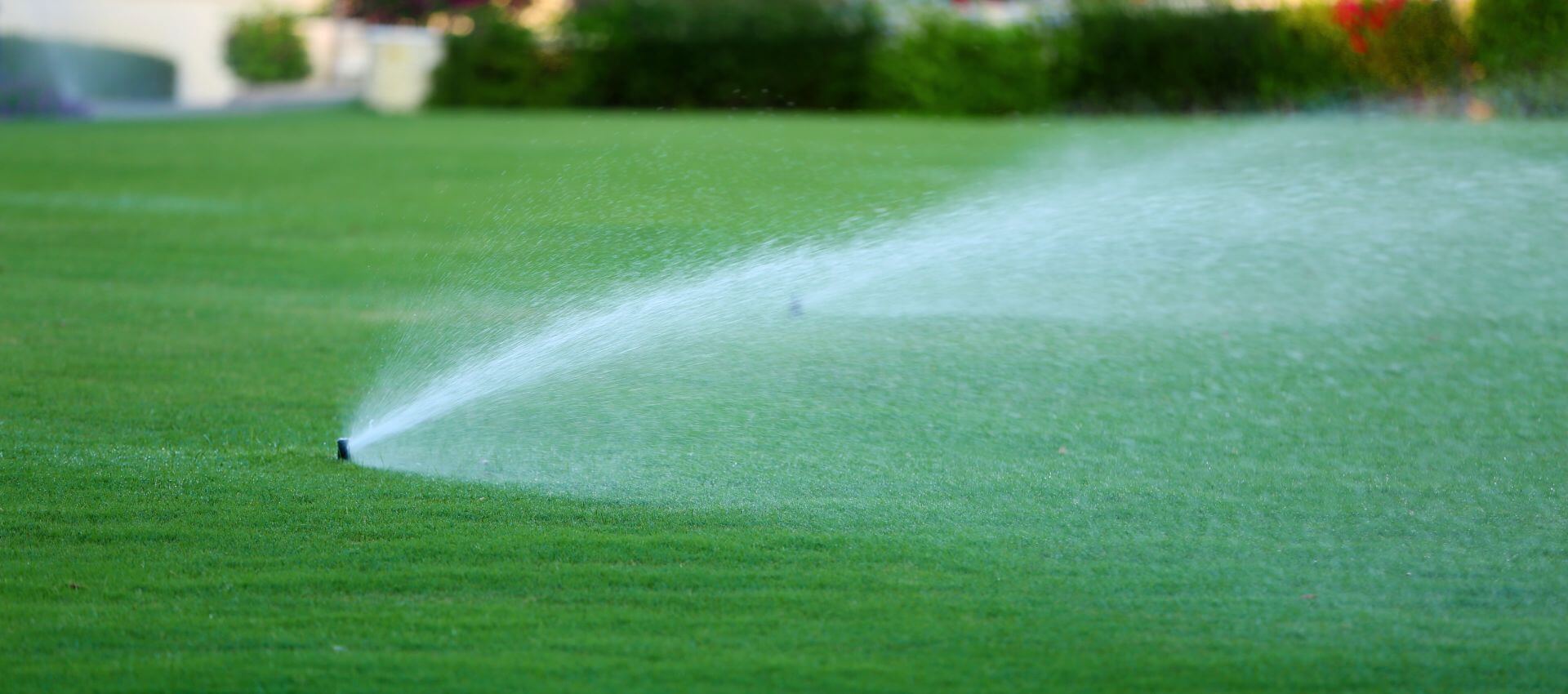
Investing in professional irrigation systems offers numerous advantages for maintaining a healthy and vibrant landscape. These systems ensure that your lawn, trees, and shrubs receive the optimal amount of water precisely when and where it's needed, promoting robust growth and resilience against environmental stressors.
Beyond basic watering, professional installations often include features like smart controllers that adjust schedules based on weather conditions, rain sensors to prevent overwatering, and efficient sprinkler heads that minimize water waste. This precision leads to healthier plants, reduced utility bills, and a more aesthetically pleasing outdoor space.
Types of Irrigation Systems for Landscaping
Various types of irrigation systems are available to suit different landscaping needs and property layouts. Understanding these options allows homeowners and businesses to choose the most effective and efficient solution for their specific requirements, ensuring optimal plant health and water conservation.
Common systems include sprinkler systems, which are ideal for large lawn areas and can be customized with different nozzle types for varied coverage. Drip irrigation systems are highly efficient for gardens, flower beds, and individual trees or shrubs, delivering water directly to the root zone. Soaker hoses offer a simpler, more affordable option for targeted watering.
Smart Irrigation Technology for Enhanced Efficiency
Embracing smart irrigation technology represents a significant leap forward in landscape water management. These advanced systems leverage data and automation to optimize watering schedules, ensuring that landscapes receive the precise amount of water needed while minimizing waste.
Smart controllers connect to local weather data, soil moisture sensors, and even plant-specific watering requirements. This allows them to dynamically adjust watering times and durations, adapting to rainfall, temperature, and humidity. The result is healthier plants, significant water savings, and a reduced environmental footprint.
Maintaining Your Irrigation System for Optimal Performance
Regular maintenance of your irrigation system is crucial to ensure its continued efficiency and longevity. Just like any mechanical system, irrigation components can wear down or become obstructed over time, leading to uneven watering, leaks, or complete system failure.
Key maintenance tasks include checking for leaks in pipes and sprinkler heads, ensuring sprinkler heads are properly aligned and not blocked by overgrowth, cleaning filters to prevent clogs, and testing the controller's programming. Professional seasonal checks can identify potential issues before they become major problems, safeguarding your landscaping investment.