Understanding Your Lawn's Watering Needs
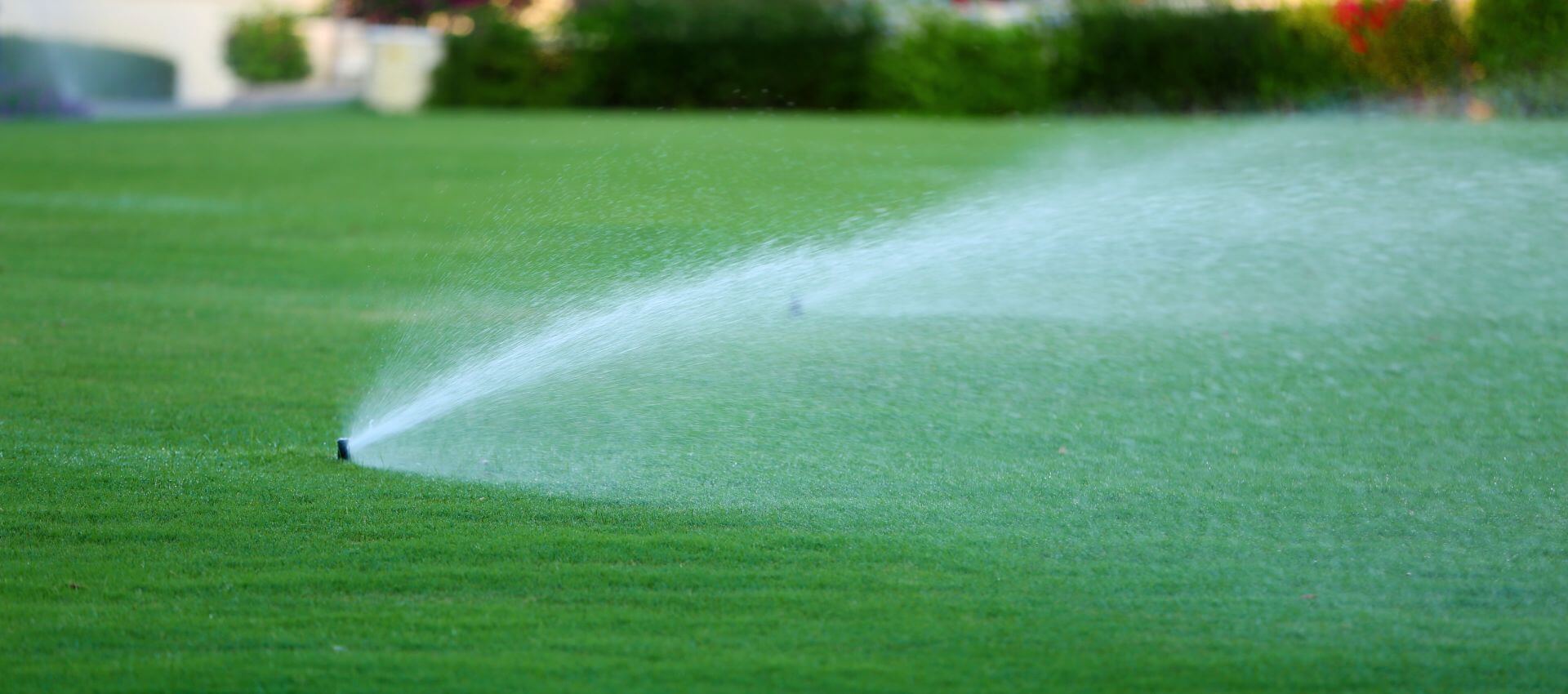
Proper lawn irrigation is fundamental to maintaining a vibrant and healthy landscape. Understanding how much water your lawn needs, when to water, and the most effective methods can significantly impact its appearance and resilience. Overwatering can lead to disease and shallow root systems, while underwatering causes stress, browning, and increased susceptibility to pests.
Factors such as grass type, soil composition, climate, and sun exposure all play a role in determining optimal watering schedules. Giant Landscaping Services can assess these elements to design an irrigation system tailored to your specific lawn, ensuring efficient water usage and promoting deep root growth for a lush, sustainable lawn.
Benefits of Professional Lawn Maintenance
Professional lawn maintenance goes beyond simple mowing and watering; it encompasses a holistic approach to ensuring your lawn's long-term health and aesthetic appeal. Experts can identify and address subtle issues before they become major problems, saving you time, money, and stress.
Services often include soil testing, fertilization tailored to the season and grass type, aeration to improve soil structure and water penetration, and effective weed and pest control strategies. This comprehensive care leads to a more robust, disease-resistant, and visually striking lawn that enhances your property's curb appeal.
Seasonal Lawn Care Tips for New Hampshire
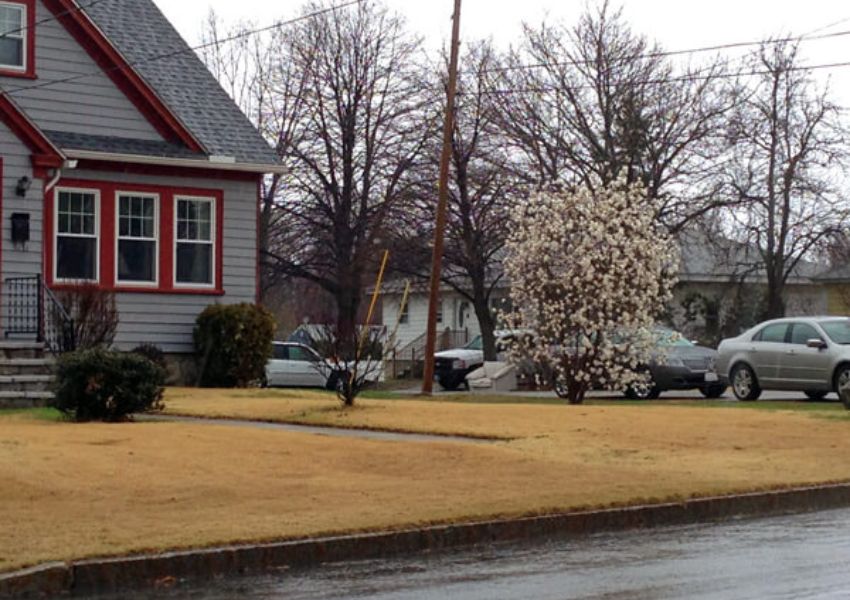
New Hampshire's climate presents unique challenges and opportunities for lawn care throughout the year. Adapting your maintenance routine to the changing seasons is crucial for a healthy lawn. From spring awakening to winter preparation, each period requires specific attention to ensure your grass thrives.
Spring involves dethatching and aerating to relieve compaction and prepare for growth, followed by early fertilization. Summer requires consistent watering and mowing at the correct height to reduce stress. Fall is critical for overseeding, final fertilization, and leaf removal, while winterization protects the lawn from harsh conditions and prepares it for the next growing season.
Common Lawn Pests and Diseases in New Hampshire
Identifying and managing common lawn pests and diseases is vital for preventing widespread damage and maintaining the health of your turf. New Hampshire lawns can be susceptible to a variety of issues, from insect infestations to fungal infections, often exacerbated by environmental conditions.
Common pests include grubs, chinch bugs, and sod webworms, which can cause yellowing and thinning patches. Fungal diseases like dollar spot, red thread, and brown patch can also appear, particularly during periods of high humidity or improper watering. Early detection and appropriate treatment are key to protecting your lawn from these threats.