
Is Fall the Best Time to Plant Trees and Shrubs in New Hampshire?
Is Fall the Best Time to Plant Trees and Shrubs in New Hampshire?
Fall is often regarded as one of the most suitable times for planting trees and shrubs in New Hampshire. As temperatures begin to cool, the region's climate provides optimal conditions that facilitate root establishment while reducing plant stress. In this comprehensive guide, we will explore the various factors that make fall planting advantageous, the types of trees and shrubs that thrive during this season, effective soil preparation methods, and aftercare for newly planted items.
At Giant Landscaping, we can support your fall planting needs, ensuring that your landscape flourishes while providing essential services tailored to the local climate.
Why Choose Fall for Planting Trees and Shrubs in New Hampshire?
Fall presents unique advantages for planting trees and shrubs in New Hampshire due to its favorable climate conditions and soil conditions, which promote better establishment for the plants. As the temperatures drop, it allows for less stress on the newly planted trees and shrubs, giving them a chance to adapt to their new environment. Crisp air leads to cooler soil temperatures, which are conducive to root growth.
What Are the Benefits of Fall Planting in the New Hampshire Climate?
Fall planting allows for higher survival rates of new plantings. Cooler temperatures paired with adequate moisture help reduce stress on plants, which is crucial for their adaptation. This season promotes optimal root growth as roots can establish before the cold winter months. Enhanced water retention in the soil further supports root development, enabling trees and shrubs to thrive in the upcoming spring.
Scientific research supports the effectiveness of this timing for ensuring long-term success in regional landscapes.
How Does Fall Planting Help Trees and Shrubs Establish Strong Roots?
The cool fall weather combined with warm soil temperatures encourages robust root systems while minimizing transplant shock. This balance helps in establishing deep roots, ensuring that plants can absorb water and nutrients more efficiently. Strong root growth not only supports the plant during colder months but also gives them a head start in growth compared to those planted in spring.
Which Trees and Shrubs Thrive When Planted in Fall in Manchester, NH?
Understanding which species are most suitable for fall planting in Manchester, NH, ensures your efforts lead to thriving landscapes. Certain tree and shrub varieties have adapted to the local climate and are particularly resilient when planted during this time of year.
What Are the Best Tree Species for Fall Planting in New Hampshire?
When considering trees for fall planting, the following species are well-suited to the New Hampshire climate:
Maple Trees: Known for their vibrant fall colors and adaptability, maples establish quickly and enhance local ecosystems.
Oak Trees: These sturdy trees thrive in various soil types and provide significant canopy cover.
Pine Trees: Evergreens like pines are resilient to harsh winter conditions and maintain their structure year-round.
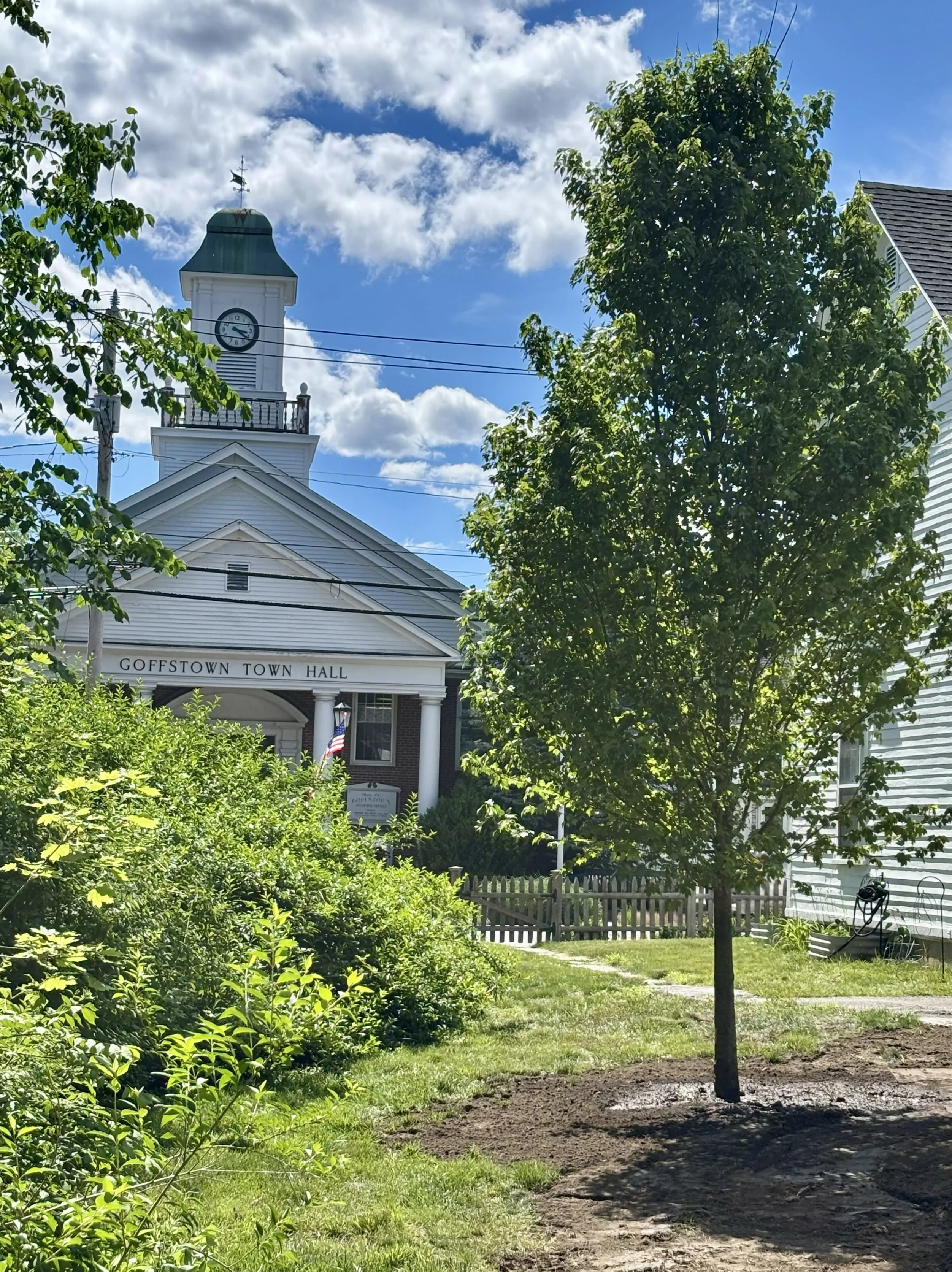
Which Shrub Varieties Grow Well When Planted in the Fall?
Several shrubs are particularly well-equipped to flourish in the fall season:
Azaleas: These colorful shrubs bloom beautifully in spring and adapt well when planted in the fall.
Hydrangeas: Known for their impressive flowers, these shrubs benefit from the cooler weather as they establish roots.
Junipers: These evergreens are excellent for ground cover and thrive when planted in the fall, providing structure to your landscape.
How Should You Prepare Your Soil and Landscape for Fall Planting?
Proper preparation of the soil and landscape is essential for ensuring successful plant growth. These steps will help you create an optimal environment for your new trees and shrubs.
What Soil Preparation Steps Ensure Successful Tree and Shrub Growth?
Effective soil preparation can make a significant difference in the health of your new plantings. Begin with the following steps:
Conduct Soil Testing: This ensures that you understand pH levels and nutrient availability, guiding necessary amendments.
Incorporate Organic Matter: Adding compost or well-rotted manure enriches the soil, improving its structure and nutrient content.
Loosen the Soil: Tilling or aerating the soil allows for better root penetration and drainage, enhancing plant establishment.
How Can You Optimize Your Yard’s Layout for New Plantings in Fall?
Designing an effective layout when planting in the fall involves careful consideration of your space. Here are some strategies:
Consider Sunlight and Shade: Place sun-loving plants in areas with maximum light exposure while providing some shade for those more sensitive to direct sunlight.
Factor in Size at Maturity: Allow enough space for plants to grow to their full size to avoid overcrowding.
Create Depth: Plant taller trees at the back and shorter shrubs in the front to achieve visual interest and maximize space.
What Care Do Newly Planted Trees and Shrubs Need After Fall Planting?
Newly planted trees and shrubs require specific care following their installation to ensure they establish properly and survive winter conditions.
How Often and How Much Should You Water New Plants in the Fall?
When it comes to watering, consistency is key. During the fall, it is generally recommended to:
Water Weekly: Ensure plants receive about an inch of water each week, especially if rain is scarce.
Monitor Soil Moisture: Check moisture levels by examining the soil a few inches beneath the surface to determine if additional watering is necessary.
Water Deeply: Focus on deep watering to encourage roots to grow down, rather than shallow watering, which promotes surface roots.
What Seasonal Maintenance Helps Your Fall Plantings Thrive Through Winter?
As winter approaches, consider these maintenance tasks to help your trees and shrubs endure the colder months:
Mulch Around the Base: Adding organic mulch helps retain moisture, suppress weeds, and provide insulation against cold temperatures.
Prune as Needed: Remove dead or damaged branches, but avoid heavy pruning, which can stress the plants before winter.
Protect Vulnerable Species: Consider wrapping young trees in burlap to shield them from harsh winter winds and potential damage.
How Can Giant Landscaping Help With Your Fall Planting Needs in Manchester, NH?
As you prepare for fall planting, we're here to support your landscaping journey with tailored services that meet your specific needs.
What Tree and Shrub Planting Services Does Giant Landscaping Offer?
We provide a variety of services to aid your planting efforts, including:
Site Assessment: We make sure your yard is optimized for ideal sunlight and soil moisture for new plantings.
Professional Planting Services: We plant your selected trees and shrubs with care to promote healthy growth.
Ongoing Care and Maintenance: Following planting, our experts can help with watering, mulching, and seasonal maintenance to keep your plants healthy.
How Does Online Scheduling and Hourly Pricing Work for Seasonal Maintenance?
We offer a streamlined online scheduling system that allows you to book maintenance appointments at your convenience. Our hourly pricing for bed mulching and cleanup services ensures you receive the care your plants need without exceeding your budget.
Why Consider Lawn and Irrigation Installation Alongside Fall Planting?
Incorporating lawn installation and irrigation alongside landscaping projects can yield several benefits that ensure project success.
Concentrate on watering the plants which are most valuable and visible and least drought-tolerant. Consider adding micro irrigation systems to these important areas. If you're allowing your lawn to go dormant during a drought, provide water for established trees which normally depend on turf irrigation. Water tree root zones deeply every two weeks. Neal, C. (2002). Using water efficiently in the landscape. University of New Hampshire Cooperative Extension.
How Does Irrigation Installation Support New Trees and Shrubs?
Irrigation systems with dedicated drip zones are beneficial for newly planted trees and shrubs because they provide consistent moisture throughout the growing season and especially during dry spells - promoting healthy growth faster.
When Is the Best Time for Lawn Installation in Manchester, NH?
We generally recommend fall as the ideal time for lawn installation. The cooler weather helps newly laid sod or seeded areas establish roots before winter sets in, offering a lush, green lawn come spring.
Can Drip Irrigation be Added to Planting Beds Anytime?
Yes! If you have an existing irrigation system with a few extra zones available, it's a fairly simple process to add a drip zone to planting beds. Call our office to schedule an audit of your current system to determine its capacity.