After Irrigation Winterization: Keep a Repair List for Next Spring
After Irrigation Winterization: Keep a Repair List for Next Spring
Keeping a repair list after winterization saves us time and money come spring. Irrigation repair planning Manchester NH notes damaged heads, leaky valves, or poor coverage zones while they're fresh in mind. Our spring startup technicians then address those issues quickly, avoiding delays when the season kicks off.
Key Takeaways
A post-winterization repair list captures every irrigation issue while the system is safely shut down.
Memory fades over winter, so a cracked head spotted in fall becomes a mystery by spring.
Spring schedules fill fast, and a ready repair list gets priority for early appointments.
Photos of each problem location help the crew see exactly what the property owner saw.
Why Keep a Post-Winterization Repair List?
A post-winterization repair list captures every irrigation issue while the system is safely shut down. Writing problems down now prevents forgetting symptoms by the time spring arrives in Next Spring.
We see this happen every year. A homeowner notices a soggy patch in October, makes a mental note, and by May that note is gone. The leak resurfaces, the lawn suffers, and the repair costs more. Seasonal maintenance is one of the most reliable services irrigation contractors offer, and it starts with documentation.
Irrigation repair planning for Next Spring works best when the list is built during shutdown, not startup. Here's why:
Memory fades over winter. A cracked head spotted in fall becomes a mystery in spring.
Symptoms hide under snow. What you saw in October may be invisible in April.
Repair windows are short. Spring schedules fill fast; a ready list gets priority.
Why can't we just test the system in winter?
Winterized systems must never be restarted or re-pressurized for testing. Frozen pipes crack underground, and a well-maintained sprinkler system prevents costly repairs by avoiding that risk entirely. We perform blowouts in October only and do not offer winter repair calls.
What belongs on a sprinkler repair list?
Note every zone that misbehaved before shutdown. Include low pressure, dry spots, tilted heads, and controller errors. Our lawn irrigation systems expertise means we can turn that list into a fast spring fix.
Irrigation system spring repair planning turns a scattered memory into an actionable schedule. The list becomes our work order, and your Next Spring lawn gets healthy faster.
Key Symptoms and Details to Document
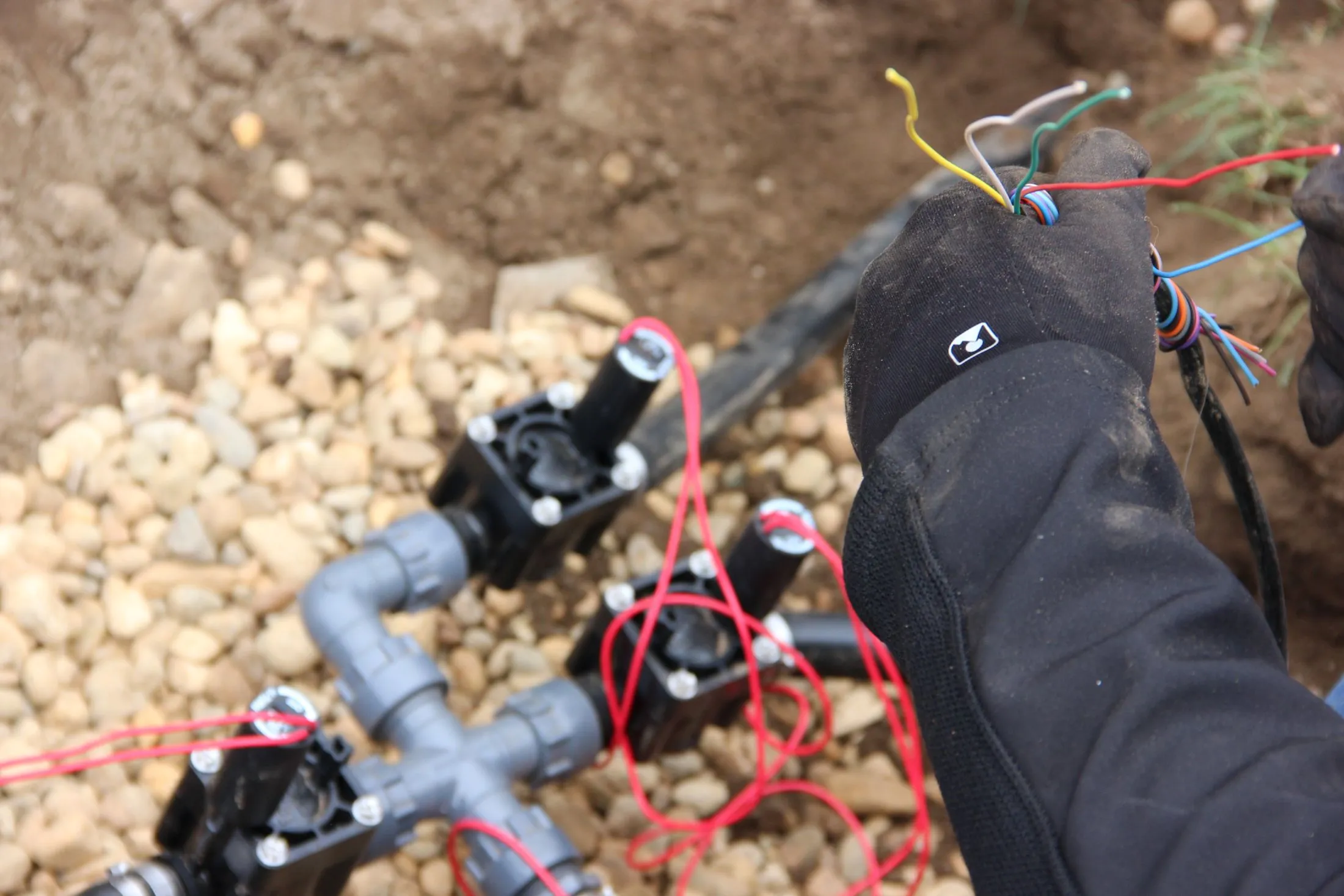
A solid sprinkler repair list starts before the ground thaws. We document every problem zone while the system is still winterized, so spring startup moves fast.
Irrigation repair planning for Next Spring means catching small issues before they become expensive ones. We note specific zones where leaking or sunken heads showed up last fall. Low-pressure areas get flagged too, especially spots where mowing or foot traffic may have damaged a line.
What should go on a spring repair checklist?
Leaking or sunken heads by zone
Low-pressure areas and suspected line leaks
Physical damage from mowing or traffic
Photos of each problem location
Marks on a zone map for quick reference
Why does documenting damage before spring matter?
Waiting until May means discovering problems after the system pressurizes. That wastes water and delays your lawn's first good soak. We keep one zone map and repair log year-round, so nothing gets forgotten over winter.
Photos help our crew see exactly what you saw. Marking problem locations on a zone map turns a vague worry into a clear work order. That level of detail makes irrigation system spring repair planning straightforward, and it pairs well with our residential landscape care programs.
Planning for Spring Service with Giant
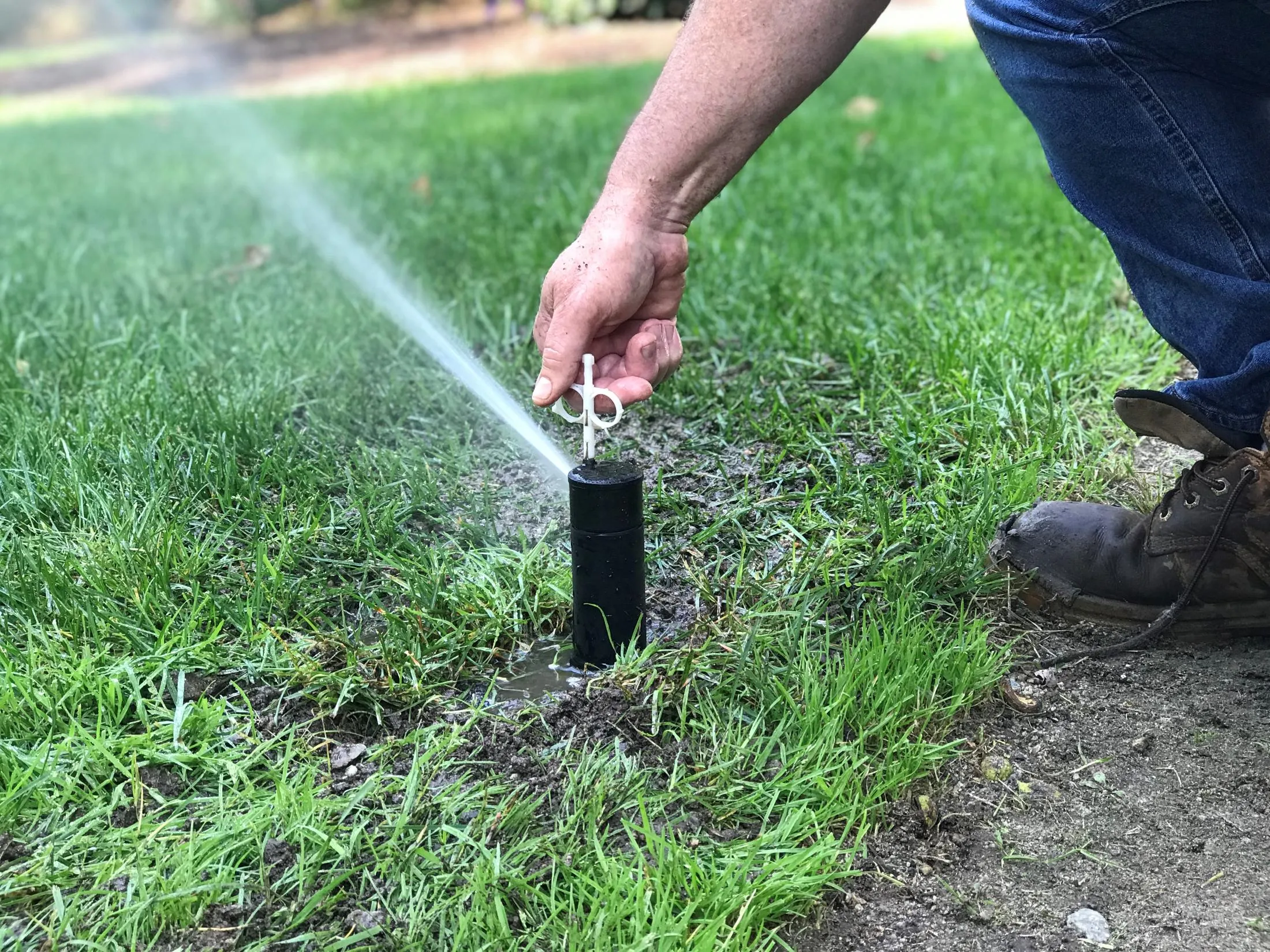
Spring startup planning in Next Spring works best when you lock in a slot before the rush. We open our schedule for irrigation system spring repair planning each year as the ground thaws, and those early-May appointments fill fast. Waiting until your lawn shows stress means competing with every other property owner who did the same thing.
What does a spring startup actually include?
Our technicians arrive and methodically work through every zone. We check for leaks, adjust or replace damaged heads, and calibrate the controller to match your landscape's actual needs. Shady areas get different run times than full-sun zones. A sprinkler repair list from the startup gives you a clear picture of what needs attention now versus what can wait.
When should I book irrigation repair planning for Next Spring?
Call our office Monday through Friday, 8:00 am to 4:00 pm. We confirm eligibility for third-party systems and get you on the spring calendar during that call. Free consultations help us understand your setup before we even arrive.
One thing catches people off guard every year. Blowouts happen in October only. We don't run winter repair calls. If your system wasn't properly winterized last fall, spring startup reveals the damage, and that repair work lands squarely in the spring queue. Booking early puts you ahead of that curve.
Frequently Asked Questions
Can I turn my water back on briefly to check an irrigation head after blowout?
No. That quick test risks freezing inside the lines and heads. A well-maintained sprinkler system saves water and prevents costly repairs. One brief water-on moment after blowout can crack components you won't discover until the real startup. Wait for the full spring activation instead.
When should I contact the office to get on the spring irrigation schedule?
As early as possible. Our spring calendar fills fast once the ground thaws in Next Spring. Property owners start booking irrigation repair planning for Next Spring in late winter. Getting on the list early means your system wakes up before the dry weeks hit. We offer free consultations to assess what your system needs before the rush begins.
Does Giant service irrigation systems installed by other companies?
Yes, in most cases. Our sprinkler repair list covers systems from any installer. We provide startups, repairs, and winterizing regardless of who put the pipes in the ground. Office confirmation is required since some proprietary components need special parts. Call us with your system details and we'll confirm coverage right away. Irrigation system spring repair planning works best when you tackle the whole checklist at once. Heads, valves, controller settings, and leaks all get attention during a single visit. That approach catches small problems before they turn into mid-summer emergencies.
Conclusion
A repair list built during winterization turns scattered memory into a clear spring work order. Documenting each problem zone now means your irrigation system wakes up ready for the season, not scrambling for emergency fixes. Book your spring slot early, hand over that list, and let the crew handle the rest while you enjoy a healthy lawn from the first watering.