
Residential vs. Commercial Landscape Maintenance — Key Differences You Need to Know
By Jeff Lavigne, Giant Landscaping LLC
Homeowners and businesses face different demands when it comes to landscape maintenance. Knowing how residential and commercial services differ — from the types of work required to how often it’s done and how pricing is set — helps property owners choose the right plan. This article outlines the main distinctions in service needs, frequency, costs, and seasonal care so you can make smarter decisions about maintaining outdoor spaces.
What’s the Main Difference Between Residential and Commercial Landscape Maintenance?
Residential landscape maintenance centers on individual homes and private gardens, tailored to a homeowner’s tastes and lifestyle. Commercial maintenance covers larger properties like office parks, shopping centers, and public grounds, where consistent appearance and low-maintenance solutions are priorities. In short: residential work is often more customized and design-focused, while commercial work emphasizes durability, efficiency, and a uniform look.
Pricing reflects that difference. Residential jobs tend to vary based on specific requests and property quirks, whereas commercial contracts usually follow a predictable pricing structure tied to the property’s size and routine needs. Those distinctions shape how landscapers scope and deliver services.
How Do Service Needs Differ for Homes Versus Businesses?
Service requirements vary a lot between residential and commercial properties. Key differences include:
- Customization vs. Standardization: Homeowners often ask for personalized plantings and layouts that reflect their style. Businesses usually prefer standardized, low‑maintenance solutions that look good consistently.
- Scale of Services: Commercial sites typically need broader programs — regular turf care, parking-lot cleanup, and landscape work designed for visibility. Residential work focuses on yards and immediate grounds around the house.
- Client Interaction: Homeowners often work directly with crews or owners to refine details. Commercial clients rely more on formal contracts that spell out scope, timing, and standards. These landscape maintenance services are managed by a dedicated supervisory staff.
Why Does Maintenance Frequency Vary Between Residential and Commercial Properties?
Frequency depends on use, visibility, and goals. Commercial properties usually need more frequent visits because they get more foot traffic and need to maintain a polished appearance for customers and clients. That can mean weekly mowing, seasonal plant rotations, and regular hardscape upkeep.
Residential schedules are often more flexible and tailored to homeowner preferences — some want weekly service, others prefer a monthly visit or seasonal tune-ups. Aligning frequency with your priorities and budget helps keep your landscape healthy and attractive.
How Does Hourly Pricing Work for Residential and Commercial Lawn Care?
Hourly pricing varies by market and service type. For many homeowners, hourly rates offer flexibility: you can choose a short visit for mowing or a longer session for more involved tasks. It’s a practical way to manage smaller yards and one-off needs.
Commercial properties commonly use flat-rate contracts that cover a full scope of ongoing services. Those agreements simplify budgeting and ensure consistent standards across large areas. Companies like Giant Landscaping provide clear bids so businesses can forecast maintenance expenses with confidence.
What Makes Up Hourly Landscaping Service Rates?
Hourly landscaping rates generally reflect several cost components:
- Labor Costs: Wages and overhead necessary for skilled technicians to perform the work.
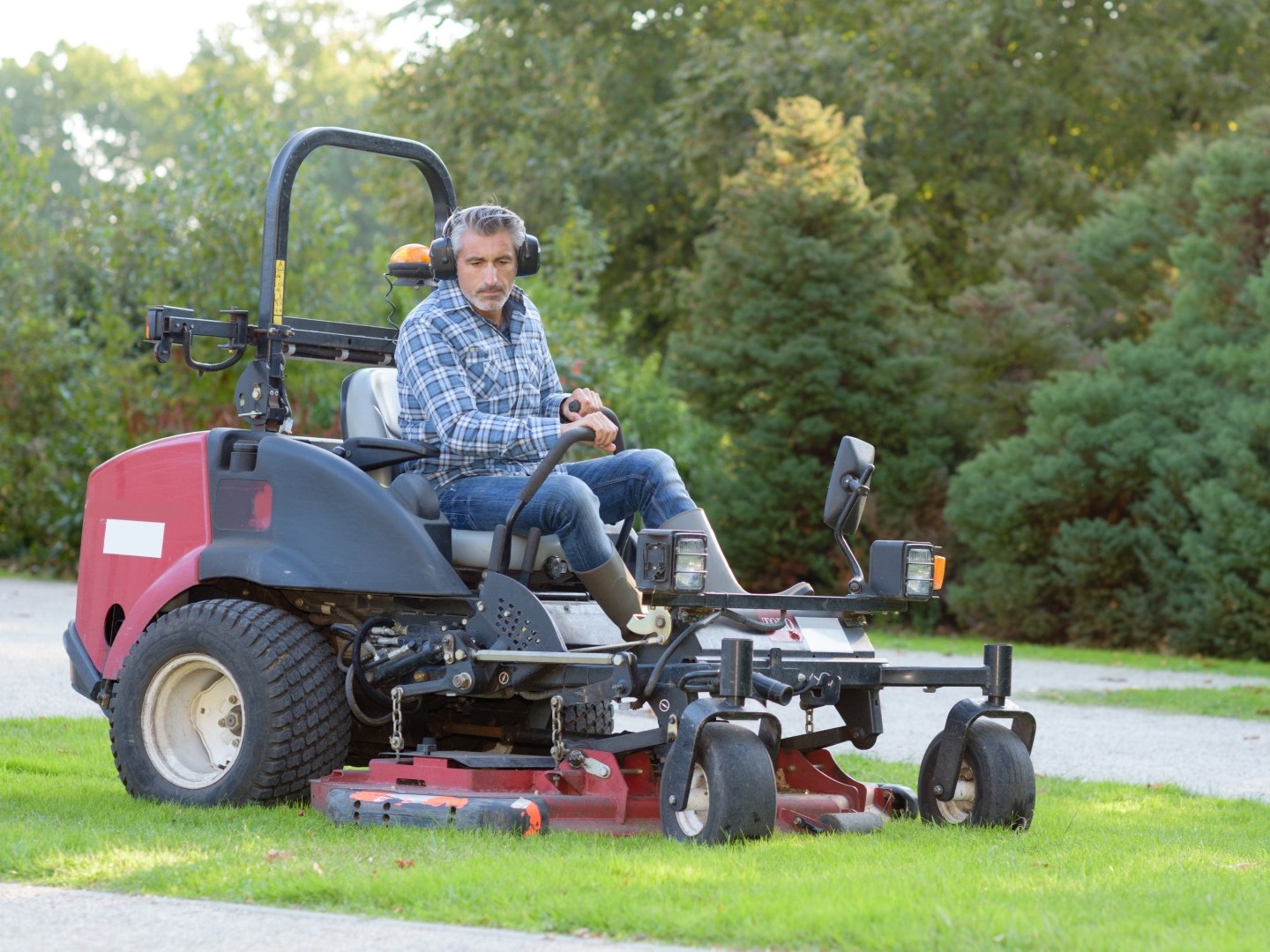
- Equipment Usage: Fuel, wear-and-tear, and transport for mowers, trimmers, and other machinery.
- Material Expenses: Supplies such as fertilizer, plants, mulch, and/or disposal fees used for the job.
These elements combine to determine the final hourly rate. Understanding them helps property owners compare quotes and choose the best value for their needs.
Cost‑Efficiency in Sustainable Urban Landscape Maintenance
Maintaining public parks is time‑intensive and costly. This mixed‑methods study examines how to improve cost‑efficiency and reduce operational expenses. Phase one produced an expert‑verified checklist of maintenance procedures, defining themes and parameters for effective, economical upkeep. Phase two used semi‑structured interviews with practitioners to explore current practices and costs. The study identifies six components that link efficient maintenance with better cost outcomes.
Criteria for Sustainable Landscape Maintenance: Addressing Cost Implication, Z Ayob, 2022
Why Choose Upfront Hourly Pricing Over Flat Rates?
Upfront hourly pricing can be attractive to residential clients because it’s flexible and transparent. You pay for the time needed, which makes it easy to prioritize tasks and control costs. It’s also straightforward to adjust service levels based on results and satisfaction.
For homeowners who want to trial a provider or address specific seasonal needs, hourly billing offers an easy, honest way to see the quality of work before committing to a long-term agreement.
What’s Included in Seasonal Landscaping Maintenance for Residential and Commercial Clients?
Seasonal maintenance covers a range of tasks designed to keep landscapes healthy and attractive year‑round:
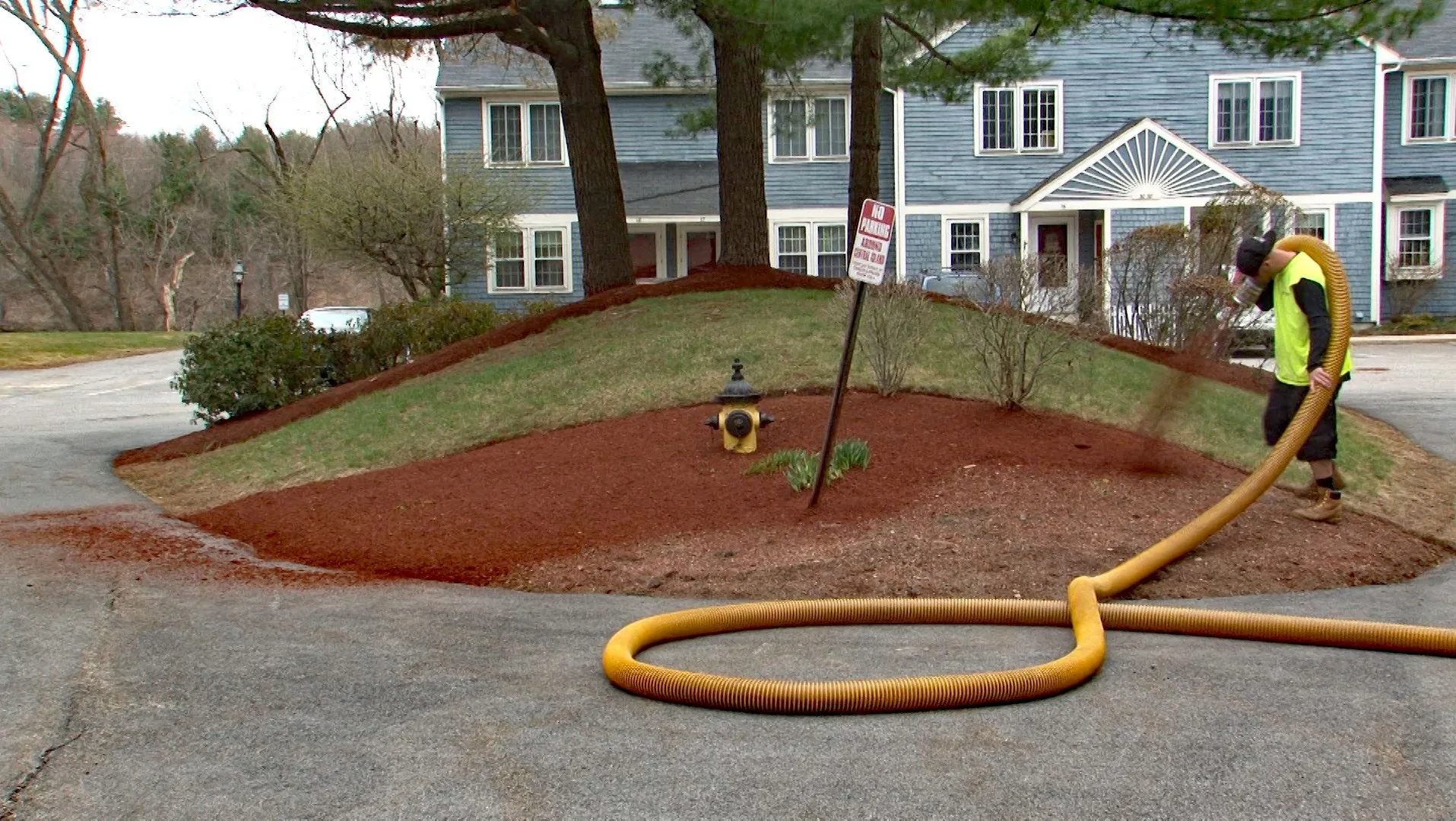
- Spring Clean‑Up: Debris removal, bed cleanout, mulching, and prepping lawns for growth.
- Summer Care: Regular mowing, shrub pruning, and seasonal flower installations to keep landscapes vibrant.
- Fall Preparation: Leaf removal, aeration, and winter prep to protect turf and plantings.
- Winter Services: Snow removal for commercial sites and winterization steps for residential gardens.
Each service keeps your property looking its best while protecting plant health and the long‑term value of the landscape.
How Do Seasonal Maintenance Schedules Work for Different Property Types?
Schedules are tailored to property use and local climate. Residential work often fits around homeowners’ availability, with weekend or evening visits possible. Commercial properties usually follow strict seasonal calendars and are often serviced during off‑peak hours to avoid disrupting business operations.
Customizing the schedule by property type ensures efficient service and consistent presentation throughout the year.
What Are the Benefits of Signing Up for Seasonal Landscaping Services Online?
Signing up online makes managing landscaping simple:
- Easy Scheduling: Book and adjust service times without phone calls.
- Accessibility: View packages, pricing, and reviews to make informed choices.
- Cost Savings: Online signups and package deals often include discounts that lower overall costs.
Online tools streamline communication and make it easier to keep your property on a reliable maintenance plan.
Why Are Softscape Improvements Important for Homes and Businesses?
Softscape — trees, lawns, shrubs, and flowers — plays a major role in curb appeal and the overall atmosphere of a property. Thoughtful plantings welcome visitors, support local ecology, and help moderate temperature and runoff.
For businesses, attractive softscapes can draw attention and improve customer impressions. For homeowners, they boost enjoyment and property value. Either way, investing in softscape thoughtfully pays off over time.
What’s the Difference Between Softscape and Hardscape Features?
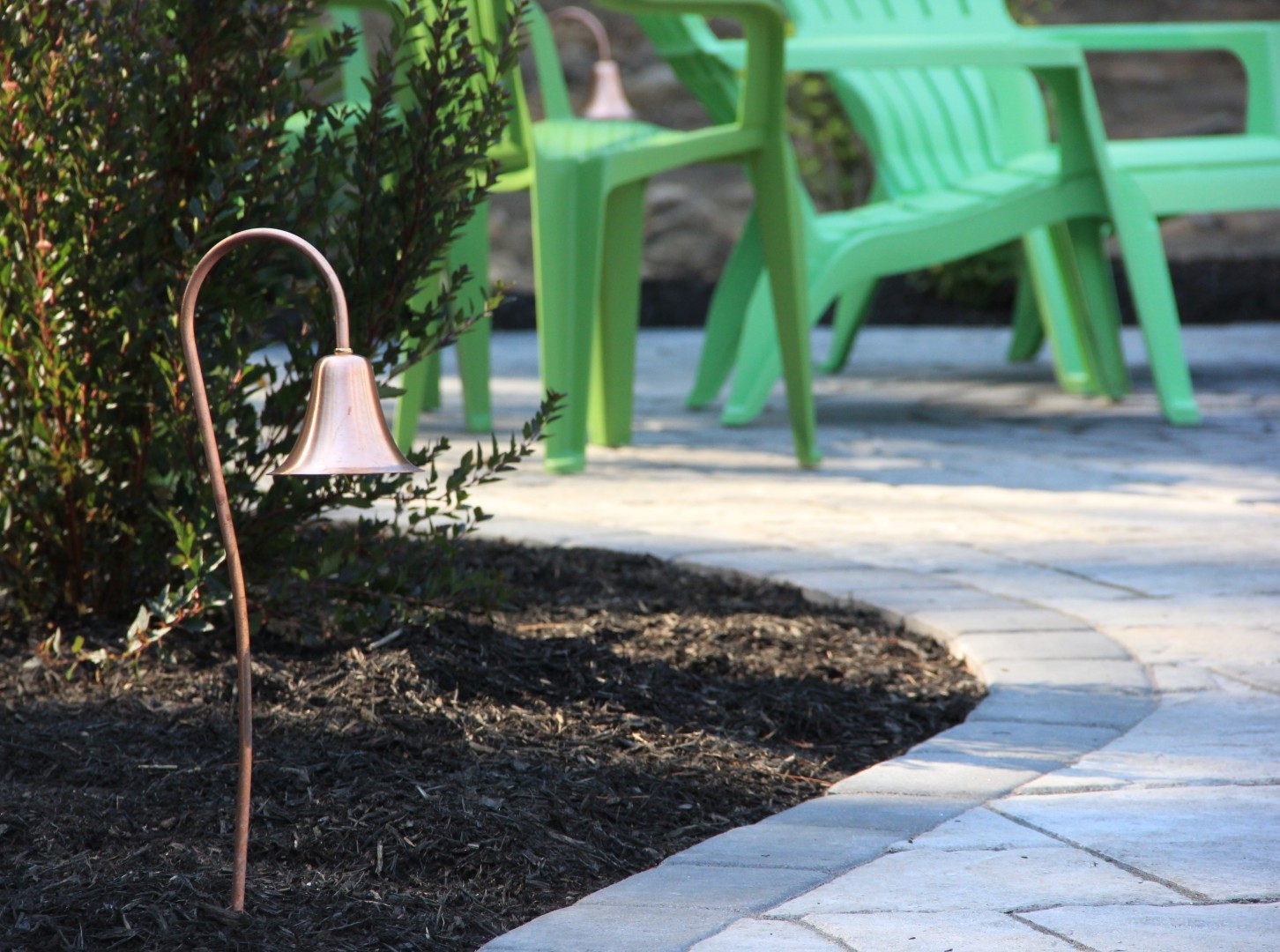
Softscape refers to living landscaping elements like plants and lawns. Hardscape covers the nonliving parts — patios, walkways, retaining walls, and other structures. A balanced mix of both creates functional, attractive outdoor spaces that are easy to maintain.
Good landscape design blends these elements so the space looks great and stands up to daily use.
How Do Tree and Shrub Planting Enhance Residential vs Commercial Landscapes?
Trees and shrubs offer different benefits depending on the setting. At homes, they provide shade, privacy, and seasonal interest, which can raise curb appeal and comfort. In commercial settings, strategic plantings guide visitors, boost branding, and enhance the customer experience — sometimes even improving drainage and circulation.
Choosing the right species and placement helps both homeowners and businesses get the most value from their outdoor spaces.
When you pick a trusted partner like Giant Landscaping, you get tailored maintenance that matches your goals. We serve properties within about a 10‑mile radius of Manchester, focusing on professional care that keeps both residential and commercial landscapes looking their best.
Frequently Asked Questions
1. What services are most commonly requested by residential clients?
Residential clients typically request a wide range of services that cater to personal aesthetics and specific needs. Commonly sought services include custom garden design, seasonal planting of flowers, lawn care such as mowing and fertilization, tree trimming, and pest control. Homeowners often desire more individualized attention and customization to reflect their tastes, leading to a variety of options for landscaping features, such as patios, flower beds, and unique plant arrangements.
2. How can commercial properties benefit from landscaping maintenance?
Commercial properties greatly benefit from professional landscaping maintenance by enhancing their curb appeal and providing a welcoming environment for customers and clients. Well-maintained green spaces can attract more visitors, improve employee satisfaction, and reflect the professionalism of the business. Regular landscaping also helps in brand promotion, as unique designs or features can make a company more memorable. In addition, efficient landscape maintenance can reduce operational costs over time by addressing issues proactively.
3. What factors should businesses consider when hiring a landscaping service?
When hiring a landscaping service, businesses should consider factors such as the provider’s experience, service offerings, and client reviews. It’s important to evaluate the company’s ability to understand business needs, such as seasonal maintenance schedules and adherence to budgeting constraints. Additionally, contracts should reflect clear expectations regarding services and timelines. Communication abilities and responsiveness of the landscaping team can also play a vital role in establishing a fruitful partnership.
4. Are there eco-friendly landscaping practices that can be implemented?
Yes, there are numerous eco-friendly landscaping practices that can be adopted by both residential and commercial properties. These include using native plants that require less water and maintenance, implementing xeriscaping techniques to reduce irrigation needs, and employing organic pest control methods. Moreover, incorporating elements like rain gardens can manage water runoff effectively. Sustainable practices not only promote environmental health but can also enhance property value and attract environmentally-conscious clients or homeowners.
5. What are common mistakes to avoid in residential landscape maintenance?
A few common mistakes homeowners make in landscape maintenance include overwatering or underwatering plants, neglecting soil health, and choosing inappropriate plant species for the local climate. Failing to regularly prune trees and shrubs can lead to overgrowth and potential hazards. Additionally, not planning for seasonal changes can result in plants not thriving year-round. Educating oneself about local flora and proper maintenance techniques can help in avoiding these pitfalls, ensuring healthier and more visually appealing landscapes.
6. How do seasonal changes impact landscape maintenance practices?
Seasonal changes significantly affect landscape maintenance practices, as different times of year call for specific tasks. For example, spring requires clean-up and planting, summer focuses on regular watering and pruning, fall is for leaf removal and preparation for winter, while winter often involves snow removal and protection of plants. Understanding these seasonal demands is key to maintaining a healthy landscape, ensuring that plants survive and thrive through varying weather conditions and temperature fluctuations.
7. What role does technology play in modern landscaping services?
Technology plays a pivotal role in modern landscaping services by improving efficiency and enhancing client communication. Tools such as landscape design software enable precise planning and visualization of projects. Drones can be utilized for site assessments and to monitor the health of large properties. Additionally, online management systems allow clients to schedule services, view maintenance records, and receive timely updates. Technology not only streamlines processes but also aids in maintaining high-quality service and client satisfaction.